Showing posts with label infants. Show all posts

Friday, March 29, 2013

Positional Plagiocephaly


Does your baby have flat areas on his head (Positional Plagiocephaly)?

By Jackie Gurdian, MS, OTR/L

Childbirth is an adventurous ride for your baby and sometimes it results in your newborn looking like a cone head, but don’t worry, because your baby’s skull will even out on its own.


Some babies develop a flat area after birth, this is called positional plagiocephaly. Flatness can occur on either side of the back of the head.

Why does this occur?

One of the main reasons why babies develop flat areas is because they sleep or rest in same position repeatedly. It is not recommended that babies spend too much time laying on their backs when they are awake, or anywhere where their head is laying head against a surface.

Another reason is having weak neck muscles. Your baby could be having difficulty turning his head to both sides. This can lead to torticollis, other times the child has torticollis which leads to flatness (information on torticollis coming soon). 

Prematurity is also another reason that plagiocephaly can occur. Premature babies have softer skulls than most full term babies and possibly could be spending time in the neonatal intensive care unit (NICU) where they are unable to move from the same position for long periods of time.

Positional plagiocephaly can also occur in utero when there is pressure placed on your baby’s skull.


What do you do if you suspect your child may have positional plagiocephaly?

This could be very easy for you to notice. Most of the time you will see a flattened side and this may cause that side to look pushed towards the front of the face. You may also notice asymmetry when looking at the face in frontal view.

If you suspect your child may have a “flat head”, ask the doctor. The doctor could recommend simple positioning changes to make around the house or possibly a custom molded helmet to provide pressure on some areas and allow growth in others.

How can you prevent positional plagiocephaly?

·         Lots and lots of tummy time to not only prevent baby being on his back for so long but also to strengthen their neck muscles. You could also try baby carriers when you need to be on the go.

·         Try putting baby at different ends of the crib every nap or bedtime. Usually if you are right handed you will place child in crib the same way every time try and alternate what arm you use to hold baby.

·         Limit the time that the baby is in equipment such as car seat, bouncy chair, swing or other similar seats.

·         If you have crib safe toys, alternate sides in which baby will have to look to play.
  • Use a product like the Tortle, a beanie especially made for positional plagiocephaly, we wrote a review about it HERE.    

If you would like more information on different positional adjustments to make for your child please contact us speakeatplay@gmail.com.  We will also love to read your comments and any other suggestions you have tried.
Be sure to like our facebook page for updates and other informational posts www.facebook.com/speakeatplay

Thanks for reading!
Pin It!

Sunday, March 17, 2013

Mesh Feeders


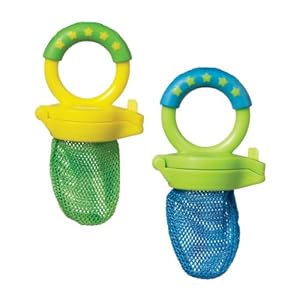
Why I Love Mesh Feeders (Available for purchase HERE)

By Karina Gonzalez, MS, CCC-SLP.
    
 Picture source: Amazon.com

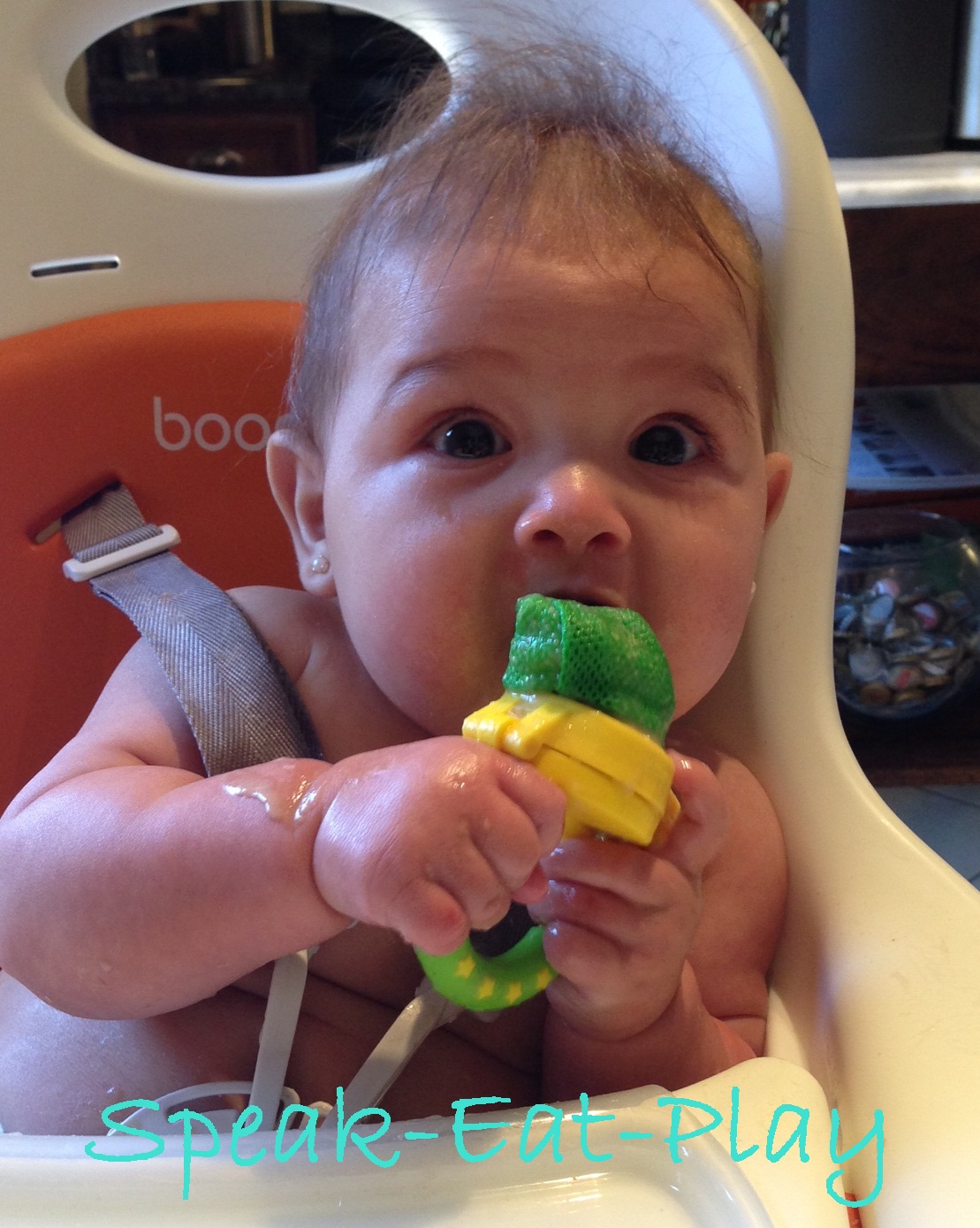
Many parents are afraid of introducing solid foods due to the risk of choking, however, this fear can be put at ease with a mesh feeder. Mesh feeder are exactly what the name says, it’s a mesh pocket that can be filled with fruits, veggies or any other solid food you would like your child to have. They have a plastic handle that babies can use to grip. As your child chews and suckles on the feeder, the contents come out through the mesh in a mushy texture that is safe for your baby to swallow. A mesh feeder can be used as early as 4 months of age, as long as your child has good head control and has no issues with swallowing. There are many benefits to using a mesh feeder, and these include:


Friday, February 15, 2013

Bilateral Coordination Skills

Doesyour child have poor bilateral coordination skills?

By Jackie Gurdian, MS OTR/L
 

A bilateral skill is the child’s ability to utilize bothsides of the body for activities. A child with poor bilateral skills wouldprefer to use one hand than use both hands together for activities that requiretwo hands. Some children with hemiparesis have significant weakness in one sideof the body. It’s important to incorporate affected side to increase functionaluse of hand.

Below you will find some fun activities to incorporate inthe home to promote bilateral skills. Remember to have fun!

Bilateral Activities


Everyday household activities
  • Carry container
  • Help clear table after lunch, dinner, etc.
  • Open packages (candy for increased motivation)
  • Push large object on floor such as laundry basket or garbage
  • Help with mixing food (ex: cake mix)
  • Twist to ring water out of towel
  • Hold cup


  • Spread butter/peanut butter on bread/crackers or frosting on cookies
  • Place empty containers inside each other (yogurt, butter)
  • Bath time: fill up containers with water and pour them out

School and fine motoractivities


  • Cut paper
  • Tear paper


  • Hold paper down with affected hand and draw/color with the unaffected hand

Sports

  • Play catch
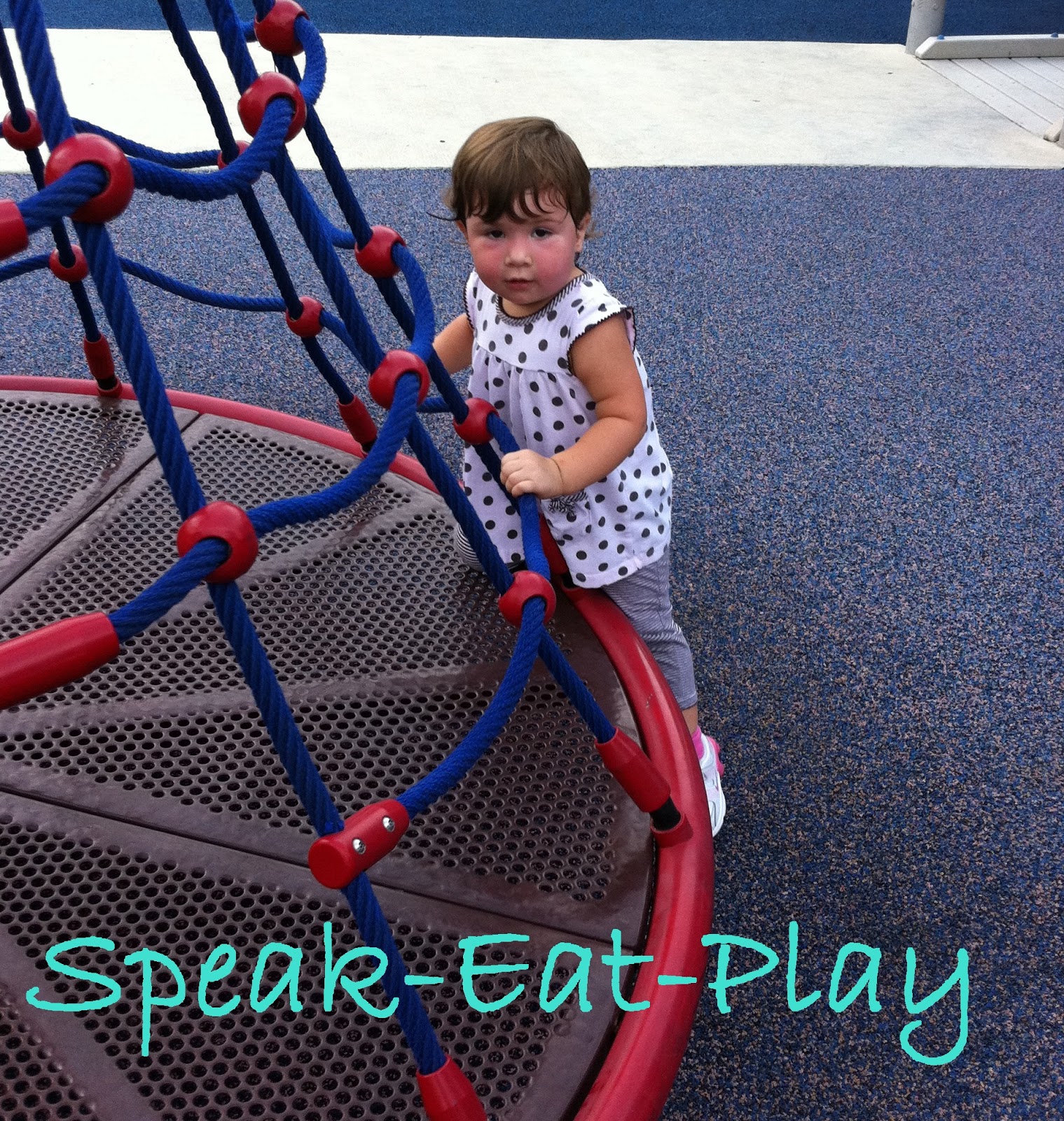
  • Monkey bars
 
 
  • Jump rope
  • Swim
  • Hold on to swing with both hands


  • Hold baseball bat
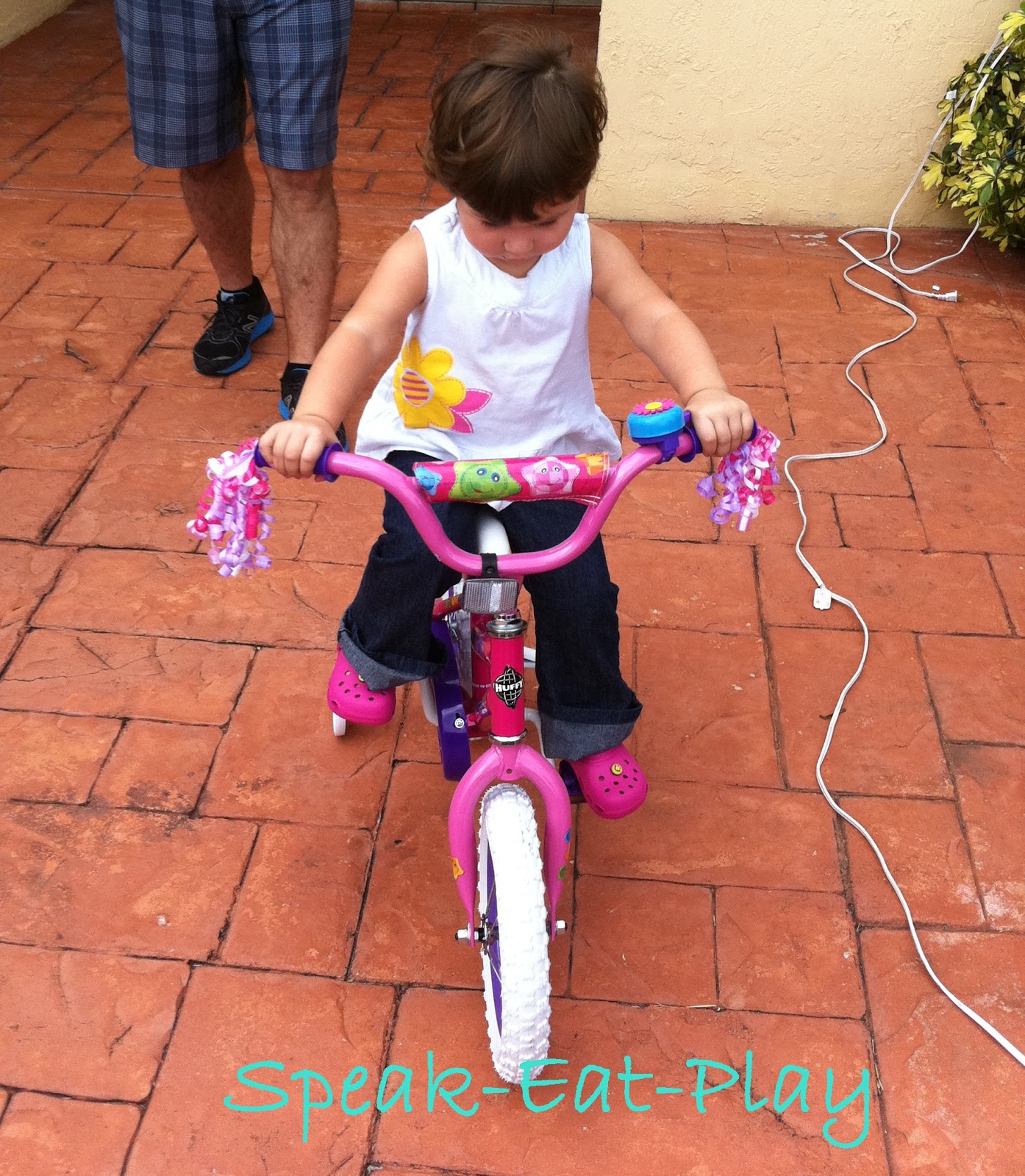
  • Ride bicycle
 

    Games and toys

    • Blow bubbles and have child pop by clapping


    • Play finger games (Itsy Bitsy Spider)
    • Sew or string beads
    • Snap/Pop beads
    • Lego’s
    • Playing 2 handed musical instrument (drums, recorder, piano, guitar)
    • Push a cart (play stroller, shopping cart, lawn mower, etc.)
    • Play videogame with controller
    • Remote control car, plane or boat
    • Fly a kite
    • Create “jungle”- clear cushions off couch and chairs and have child crawl and climb through “jungle”
    • Make sand castles at the beach
    • Crawl through a maze
     
    • Scooter board game
     
    • Wheelbarrow walk
    • Play Simon Says
    If you have any questions, please don’t hesitate to contactme at speakeatplay@gmail.com. As always please consult your child’s physician before any activity.

    If you like our posts be sure to follow us.

    Source: Case-Smith, Jane. Occupational Therapy for Children,6th edition.
    Pin It!